
Important Factors & Impact
- The decline we've witnessed in recent weeks is mostly due to factors other than Russia-Ukraine tensions.
- European markets have fallen to their lowest levels since October, while New York has experienced a wild trading session.
- In any case, whereas possibly significant, most impacts can be generally short-term in their scope.

We are in the midst of a
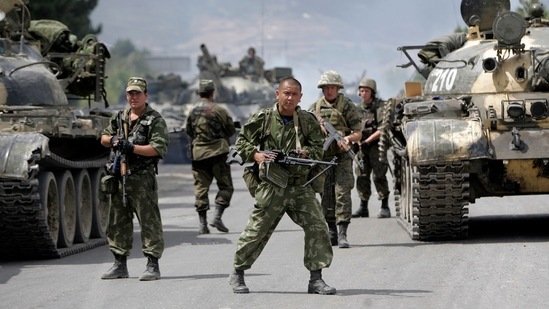
crisis. While we type these words, Russian troops are training along Ukraine's
border, while the United States has put 8,500 troops on alert, just in case an
eastern European war breaks out.
As tension has increased
between Russia and Ukraine over the latter's possible NATO membership, talks
are being held between representatives of both nations, however the situation
is still unclear However uncertain the world has become in recent decades, it
remains uncertain for financial markets, including crypto.
According to a variety of
analysts who spoke with Cryptonews.com, the impact of the Ukraine-Russia crisis
-- and its potential worsening -- on the cryptoasset market may not be as
significant as you might expect. This is largely due to other macroeconomic
factors, such as the housing market Currently, these factors are weighing down
the market.

Fears of a military clash
in Ukraine have sent global financial markets tumbling, wiping £53 billion off
the value of the UK's blue-chip share index.
After Nato stated it was
fortifying its eastern frontiers with land, sea, and air forces as a Russian
invasion of Ukraine became increasingly likely, European markets fell 3.8
percent to their lowest levels since October, their largest one-day drop in
more than 18 months.
Investors feared that the
Federal Reserve, the US central bank, would hike interest rates many times this
year, beginning in March, after US inflation hit a 40-year high of 7% in
December.

The FTSE 100 index
dropped 2.6 percent to a one-month low in the City of London, its worst drop in
two months, as Boris Johnson cautioned that a "lightning war" in
Ukraine was possible but not inevitable. The blue-chip index dropped 197 points
to 7,297 points.
Pearson, the educational
publisher, led the FTSE 100 decliners, falling 9%, while Russian steelmaker
Evraz fell 8%. Miners, energy producers, travel companies, and homebuilders all
suffered losses.
The Dax index of major German companies fell 3.8 percent in Frankfurt, while France's Cac fell 4%.
The UK's FTSE 100 share index has fallen to a one-month low, hit by worries over US interest rate rises and rising Ukraine tensions
After heavy selling pushed the S&P 500 index down over 3% at one point, the indices ended the day higher after a late rally pushed the major US indices higher.
Investors flocked to
safe-haven assets such as the US dollar and the Swiss franc, which hit a
six-year high against the euro.
The sell-off in risk
assets impacted cryptocurrencies, with bitcoin falling to a six-month low of
around $33,000 (£24,500), less than half its all-time high of $69,000 reached
last November.
The Fed, which meets this
week, may also begin to reduce its balance sheet this year, removing some of
the stimulus implemented since the Covid pandemic began.
"Traders are
continuing to sell as concerns about the Russia-Ukraine situation grow,"
said David Madden, a market analyst at Equiti Capital. "Concerns that the
Federal Reserve will issue a hawkish update on Wednesday are also factoring
in."
The prospect of tighter
monetary policy has dragged down technology stocks, with the Nasdaq Composite
index entering correction territory earlier this month.
"The double whammy
of risk events is proving too much for Wall Street to handle, with the Nasdaq
once again leading the charge lower as the tech rout deepens," Fiona
Cincotta, senior financial markets analyst at City Index, said.
"Meanwhile, embassy
personnel are being evacuated from Kyiv amid growing fears that Russia will
send troops into Ukraine soon." Last week's talks between the US and
Russia failed to pave the way for a resolution. Fears of war are driving the
risk-off trade, which is causing bonds to rise."
As a result, Moscow's
stock market saw heavy selling. The Moex index of Russian companies fell almost
6% to its lowest level since December 2020, taking its losses so far in 2022 to
almost 15%.
The rouble plunged 2.5%
to over 79 roubles per dollar, as the Bank of Russia halted purchases of
foreign currencies amid heightened tensions over Ukraine.Purchasing managers'
surveys show that private sector growth in the UK, eurozone, and U.S. hit its
slowest pace in 18 months in January, Additionally, there were signs that the
Omicron variant had slowed the global recovery.
Your news are very informative
ReplyDeleteGrowing community feel amazed to be a part of it....
ReplyDelete